





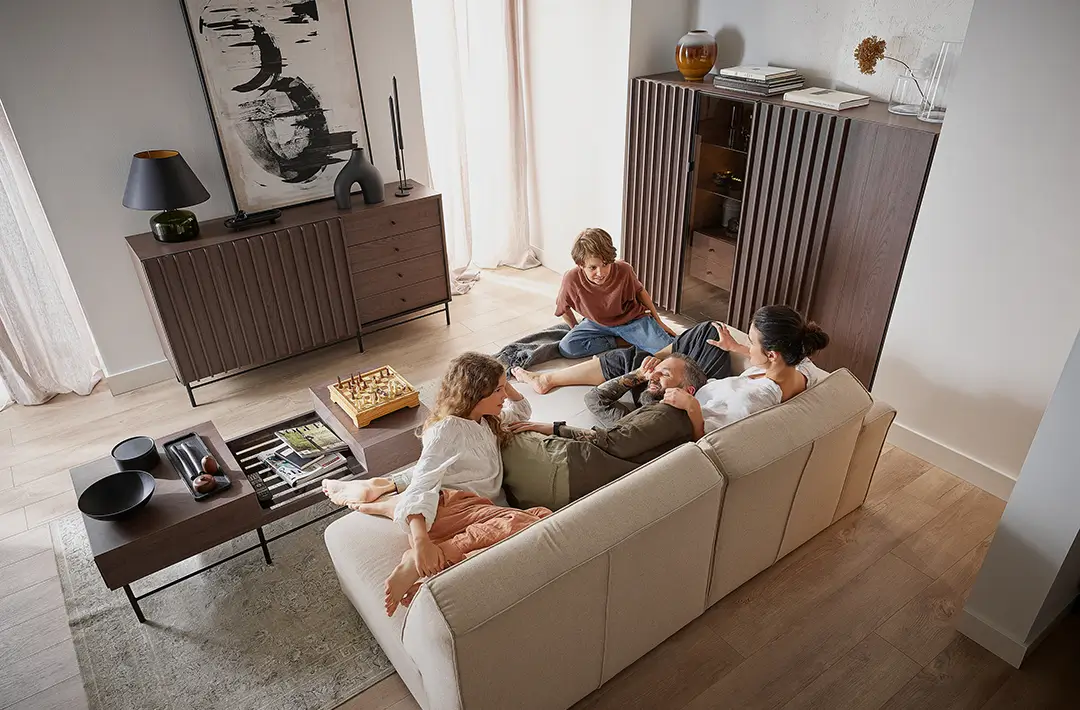
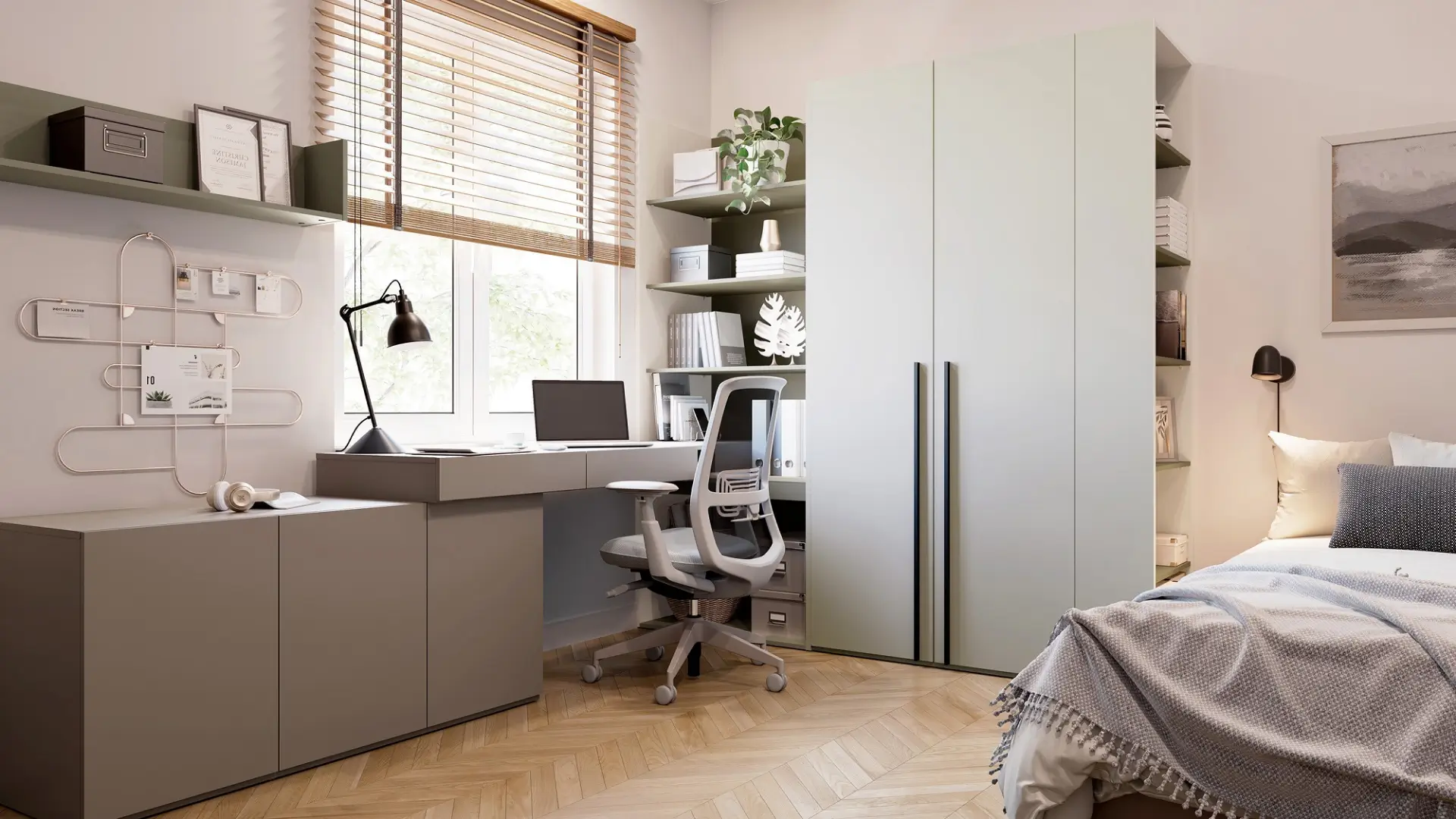
Do children need a closet?
A child’s room is not just a space for play and rest—it’s also their first laboratory for independence and responsibility. When a well-chosen closet appears among the colorful toys and soft pillows, it becomes much more than just a piece of furniture. It’s a place that allows a child to manage their own clothes and accessories, learn to stay organized, and feel in control of their own space.
Article at a Glance

Why is a closet important for children?
A closet as a place to store clothes and toys
What features should the perfect children’s closet have?
What types of wardrobes are available for children?
How to plan the space in a child’s room?

Children really need a closet for many important reasons. First of all, it’s a functional space where they can store:
- clothes,
- toys,
- various accessories.
Thanks to a closet, little ones have easy access to their belongings, which teaches them responsibility and how to keep things tidy.
However, a closet’s function isn’t limited to just storage. It also helps foster independence from an early age. By teaching children how to manage their belongings, it helps shape their:
- organizational habits,
- self-confidence,
- control over their surroundings.
Furthermore, having a closet has a positive impact on children’s emotional and social development. The ability to organize one’s personal belongings fosters independence and helps build:
- a sense of responsibility,
- the ability to handle responsibilities.
It’s also important to remember that a closet is a piece of furniture that grows with the child. As they grow, their needs change, and the closet can be easily adapted to meet these evolving needs. Therefore, a well-chosen closet becomes not only an everyday item but also a valuable support in a child’s life, contributing to their harmonious development.
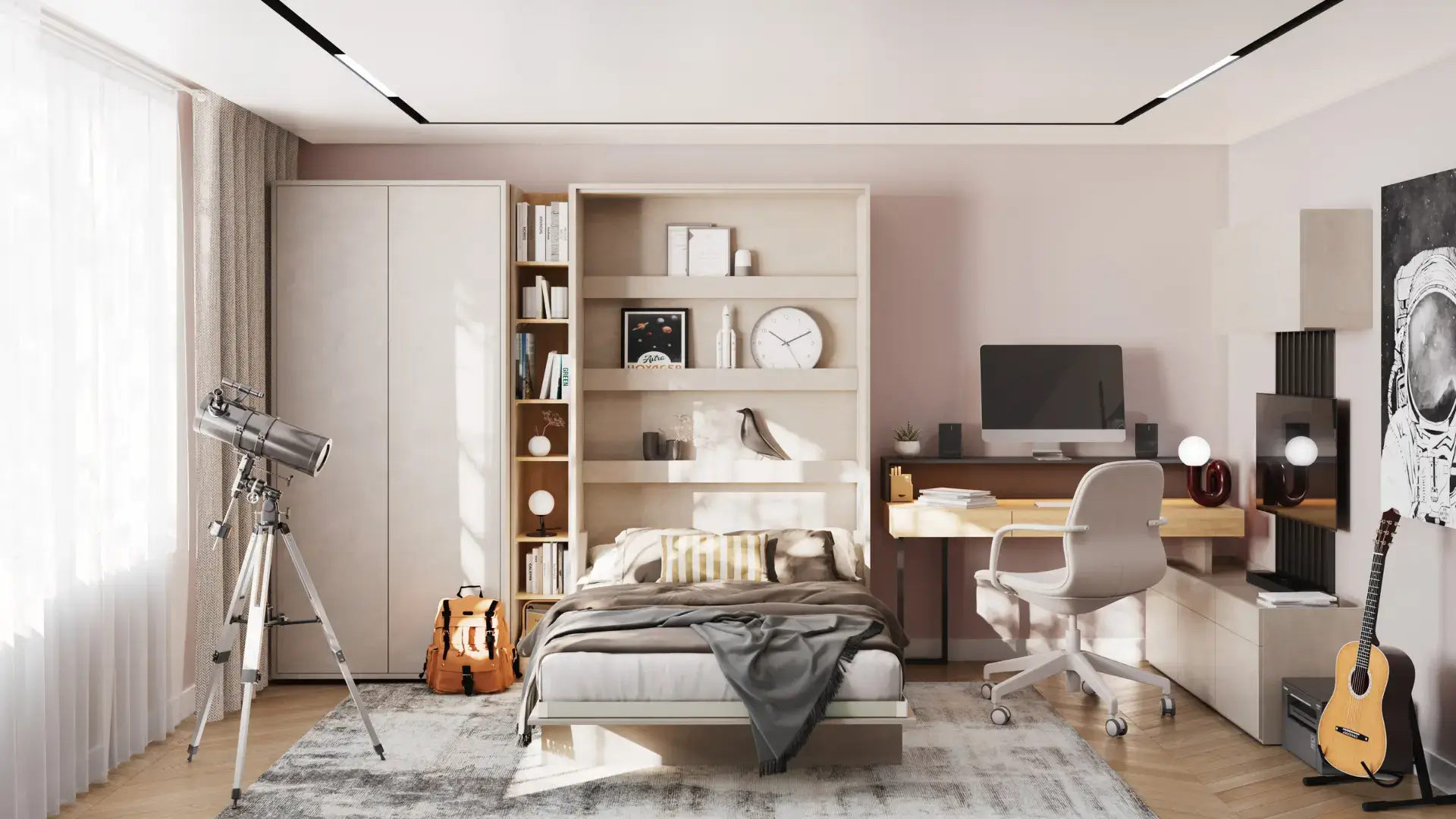
Why is a closet important for children?
A closet plays an extremely important role in children’s lives. It’s not just a piece of furniture for storing clothes, toys, and accessories, but also a key element of their personal development. A well-designed wardrobe helps little ones develop valuable organizational habits. As children learn to organize their belongings, they develop a sense of responsibility and space management skills.
Storing items in a closet helps keep the room tidy, which in turn enhances children’s comfort and concentration while they play and learn. As children grow, their needs change, and the closet can be easily adapted to support their independence and flexibility.
The main benefits of having a well-organized space in a child’s room include:
- Developing organizational skills,
- Keeping the roomtidy,
- Greater comfort while playing and learning,
- Supporting independence,
- A positive impact on emotional development.
Children who have control over their belongings feel more confident and comfortable in their surroundings. Taking responsibility for keeping things organized contributes to their social and emotional development. That is why a closet becomes not only a practical piece of furniture but also a valuable tool in a child’s growth and learning process.

A closet as a place to store clothes and toys
A closet plays an extremely important role in a child’s room. It not only stores clothes, but also collections of toys and various accessories, which makes the space much more efficient. Equipped with:
- clothing rods,
- shelves,
- drawers,
- organizers,
- drawer inserts.
This gives children easy access to their favorite things, which helps them develop independence.
The main purpose of a closet is to teach organization. By giving children the opportunity to keep their belongings in order, they develop habits that will be very important in their future lives. Maintaining order helps foster positive character traits, such as:
- responsibility,
- the ability to manage space,
- a harmonious and balanced life.
We also can’t forget about the wide range of accessories that can be added to the closet. Thanks to these accessories, the closet becomes not only a storage space but also a learning tool, helping children develop organizational skills and a sense of order—skills that will certainly pay off in the future.
Maintaining Order and Developing Habits
Maintaining order and developing healthy habits are essential elements that contribute to creating a well-organized closet in a child’s room. Designating a specific place for clothes and accessories makes it easier for children to learn to be organized. As a result, they become more independent and are able to sort their belongings, which in turn builds their sense of responsibility and organizational skills.
In this context, picture labels are crucial. They help young children quickly understand where they should put their belongings. Regular activities involving tidying up their surroundings help foster habits that will be very important in adulthood. From an early age, children acquire extremely valuable skills that positively influence their independence.
Keeping things tidy not only enhances the room’s aesthetic appeal but also supports healthy emotional development. Organized spaces create a comfortable atmosphere that fosters both play and learning. Keeping the closet and the entire room tidy helps establish positive habits and encourages activity. All of this contributes to a child’s harmonious development.
A closet that supports emotional and social development
Closets and Children’s Emotional and Social Development
A child’s closet plays a key role in the emotional and social development of young people. It not only serves as a place to store clothes and toys, but also creates a space where children can develop their organizational skills and independence. Managing their own space is a way for children to learn responsibility, which in turn boosts their self-esteem and self-confidence.
Having a personal space gives children a sense of privacy and security. This helps them develop social skills such as:
- sharing space,
- sharing objects,
- cooperating with siblings or peers,
- communication skills,
- decision-making skills.
Regular use of a closet promotes children’s emotional stability. They learn to express their feelings and needs by organizing and taking care of their personal belongings. This process helps them process their emotions and build positive relationships with others. Research shows that a tidy and accessible space has a positive impact on a child’s mood and ability to concentrate.
As a result, a carefully designed closet not only contributes to a child’s physical development but also to their emotional and social development, which can have positive consequences for their future relationships as adults.
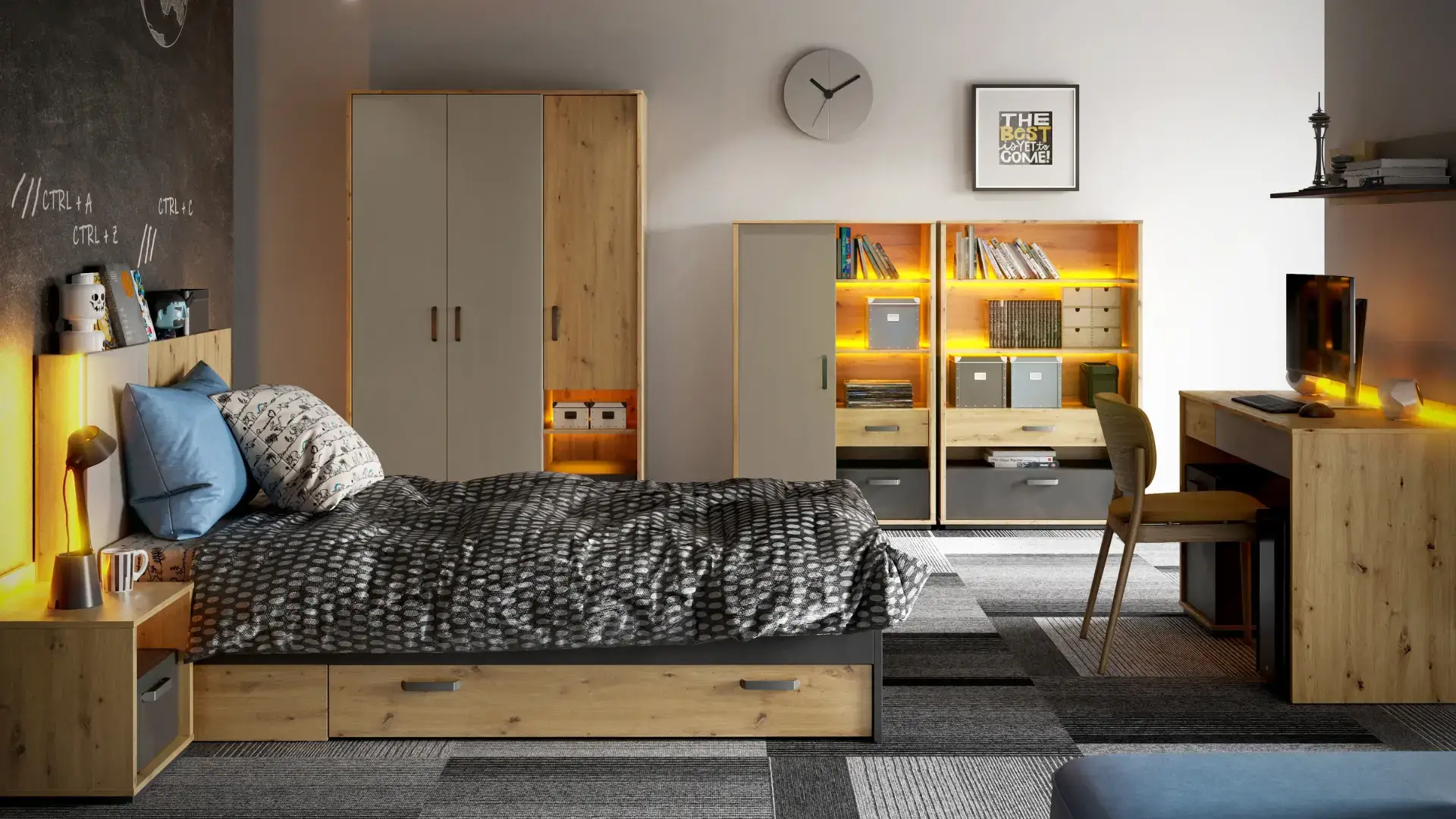
What features should the perfect children’s closet have?
The ideal children’s wardrobe should combine functionality and safety, which is crucial for a child’s healthy development. Here are a few key features that such a wardrobe should have:
- adjustable shelves and rods that let you easily adapt the interior to your child’s current needs, making it easier to store clothes and accessories in an organized manner,
- adapting the inside of the closet to the user’s age; younger children should have access to lower shelves and drawers that they can use on their own, while older children can reach higher shelves for items they use less frequently or seasonally, which teaches children independence and organization,
- Safety and stability: Children’s furniture must be sturdily constructed to minimize the risk of it tipping over,
- Carefully designed cabinets should be sufficiently stable and made of materials that are safe for children,
- This closet design makes it easier to organize the space and helps children develop a sense of responsibility and independence.
Children learn to take care of their belongings, which has a positive impact on their personal and social development.
A functional interior designed for a child’s age
A functional children’s closet should be tailored to a child’s stage of development. It’s an essential element in fostering their independence and organizational skills. Ergonomic features, such as shallow drawers and adjustable shelves, allow for easy access to clothes and toys.
For younger children, placing shelves and hanging rods at the right height allows them to use the space on their own, which in turn boosts their sense of autonomy. As they grow older, the closet can be adapted to their increasingly diverse needs. This flexible design promotes:
- keeping things organized,
- taking care of personal belongings,
- developing organizational habits.
A well-designed interior serves as a foundation for developing habits that later become part of daily life. We mustn’t forget the value of accessories, such as organizers and labels, which significantly simplify the sorting of items. Thanks to them, little ones have the chance to learn to be organized. A well-thought-out interior not only fosters a sense of responsibility but also motivates children to keep their immediate surroundings tidy.
Proper interior organization can also positively influence a child’s emotional development and social skills.
What types of closets are available for children?
The availability of different types of children’s wardrobes is crucial because it affects their daily lives and development. Here are a few models that stand out on the market and may be of interest to parents:
- Classic wardrobes —these pieces are characterized by their timeless style and ease of use; they come in a wide range of colors and sizes, making it easy to match them to the decor of a child’s room, Many of them are equipped with functional compartments and drawers, which help keep items better organized.
- Modular closets —a modern solution that offers great flexibility—allow parents to adjust the closet’s configuration as their child’s needs grow, making it easier to organize a variety of items, such as clothes and toys.
- Built-in closets —ideal for small spaces—effectively help maximize available space; their design allows you to create a functional storage area for both accessories and clothing without taking up too much room.
- Two-door and three-door closets – in smaller rooms, a two-door closet is sufficient to hold your essentials, while a three-door closet is ideal for larger spaces, offering even more storage space.
The variety of children’s closets available is extremely important for meeting their unique needs; they help organize space, thereby supporting a child’s development. A closet plays a significant role in keeping things tidy and teaches children responsibility, which is essential for their emotional and social growth.
A well-chosen wardrobe creates a comfortable and stimulating environment that encourages play, learning, and independence in children.

Classic Design vs. Modern Solutions
The classic design of children’s wardrobes elegantly combines timeless aesthetics with simple, clean lines. This makes the furniture extremely versatile and easy to adapt to the changing decor of a child’s room. Typically made of wood, classic wardrobes offer sturdiness and durability, making them an excellent choice for many years to come. Their neutral colors and simple lines blend harmoniously into a variety of room designs.
A modern approach to designing children’s wardrobes draws inspiration from innovative materials and features. They often feature a modular design, which allows them to be adapted to the user’s unique needs. Adjustable shelves, a variety of organizers, and the ability to modify the layout of the components make it much easier to organize the space, ensuring that the wardrobes better meet a child’s changing needs.
When choosing between a classic and a modern style, it’s worth considering both the aesthetics and the functionality of the furniture. Classic wardrobes provide stability and durability, while modern designs typically offer more flexibility. This is especially important as a child grows and their needs evolve. Ultimately, the decision should depend on individual preferences and the style of the room being furnished.
How should you plan the layout of a child’s room?
When planning the layout of a child’s room, you should focus on three key elements:
- functionality,
- aesthetics,
- supporting a child’s development.
It is important for furniture to meet a child’s needs, and in this context, the closet plays an extremely important role. Its size and features should be tailored to the number of items that need to be stored in it and should also allow for better organization of the space.
For smaller rooms, multifunctional furniture is a great choice. It allows you to make the most of the available space. Minimalism is also extremely important—by choosing fewer but more functional pieces of furniture, it’s easier to keep things tidy. For example, cabinets with glass doors not only make it easier to access your belongings but also help you stay organized.
In addition, using the right accessories—such as organizers or height-adjustable shelves—teaches children to take responsibility for their belongings and helps develop their organizational skills. A tidy space has a positive impact on children’s independence and builds their confidence in their own abilities. Introducing organizational rules in a child’s room also supports their emotional development, allowing them to concentrate better while playing and learning.
Space planning should also take into account the selection of colors and styles that are appropriate for children. This has a significant impact on their sense of comfort and security. A well-designed children’s closet not only serves an organizational purpose but also creates a friendly and inspiring environment that fosters their development.
Using a closet in the context of minimalism
In the world of minimalism, a child’s closet takes on a new role. It ceases to be merely a piece of furniture and becomes a tool that helps little ones learn how to manage space and stay organized. Minimalism involves reducing the number of possessions, which helps maintain order and cleanliness. Transforming the closet into a capsule space for only the most essential clothes and toys helps develop the skills of mindful choice and responsibility.
A capsule wardrobe for children makes it easier to identify key clothing items. Introducing the principle of a limited number of garments that go well together allows children to put together everyday outfits more easily. They learn how to mix and match different pieces of clothing, which develops their aesthetic sense and sense of style.
Organizing closet space according to the principles of minimalism also promotes the effective use of a child’s room. Instead of accumulating unnecessary items, children are inspired to choose only those things that hold real value for them. Keeping the closet organized makes daily routines easier and fosters independence, which is an essential part of their personal development.
In this way, a well-organized closet not only serves practical purposes in a child’s life but also contributes to the development of their character and organizational skills. These skills are extremely valuable in a rapidly changing environment. Minimalism in a child’s closet contributes to their harmonious development and helps foster positive habits related to space management.
Similar posts
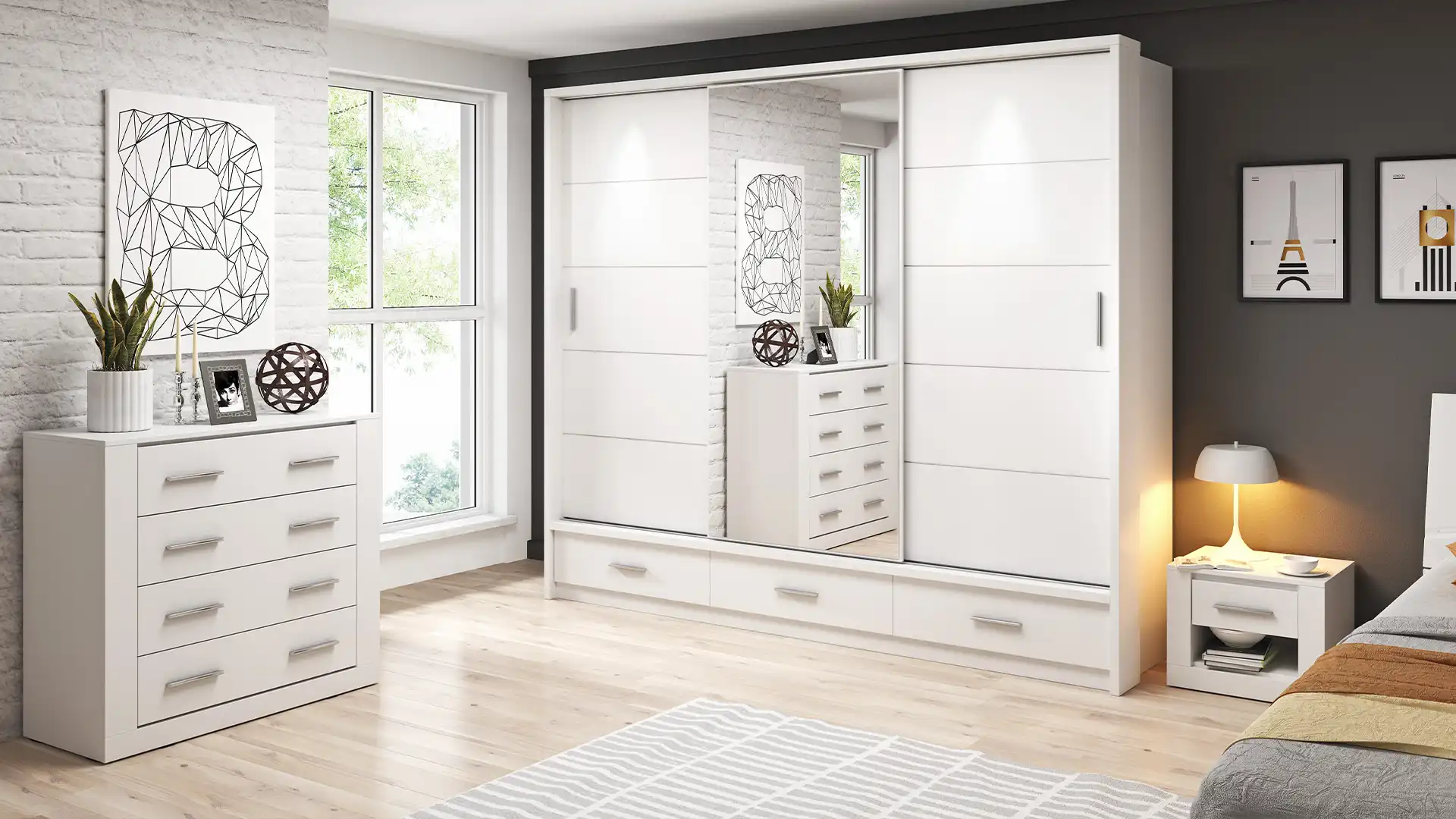
A large closet at home
A small room and lots of things to store. How do you balance these two? We have a few tried-and-true solutions, and the best one is a large sliding-door closet with a mirror. See what the perfect large closet should look like.
Read more

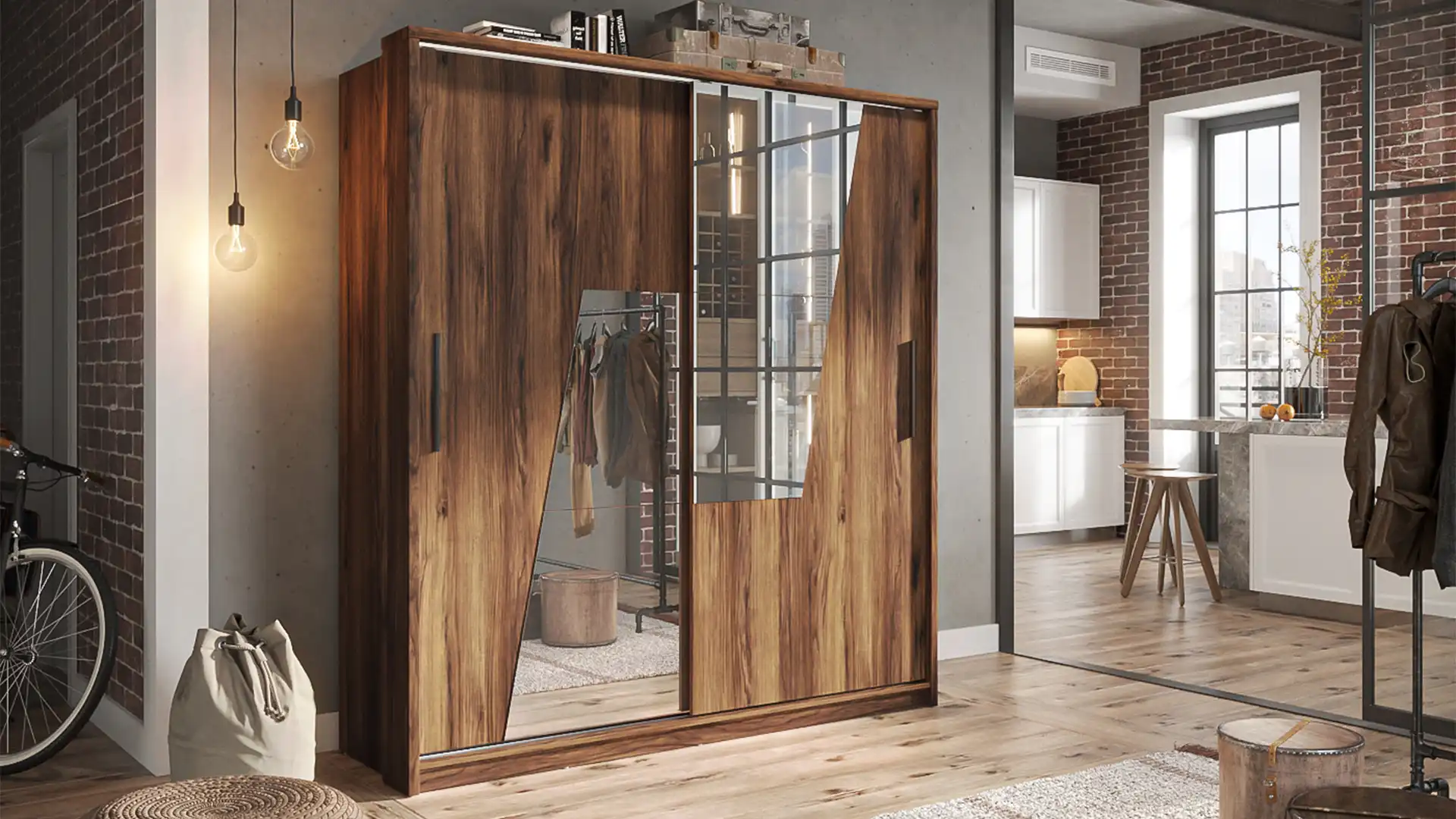
Modern Sliding Wardrobes in Everyday Life
Modern Sliding Wardrobes — Find out how to choose the right modern sliding wardrobes for your living room and bedroom so you can enjoy them for many years to come.
Read more

Is a sliding-door closet with a mirror in style?
Find out if a sliding wardrobe with a mirror is still a stylish choice for modern interiors. Discover the benefits of choosing a sliding wardrobe!
Read more

A small mirrored closet—the perfect piece of furniture!
A small mirrored closet is a solution that meets the needs of many modern homes and apartments.
Read more
