





How to Decorate a Child’s Room?
To design a child’s room effectively, it’s important to consider a few key aspects. First and foremost, the space should stimulate development, encourage creativity, and foster learning. It’s important that the decor suits both the child’s age and their individual needs.
Article at a Glance

Set up zones in your child's room
Study Area: What Desk and Chair Should You Choose?
How do you create a play area?
Why is it a good idea to let your child help decide how to decorate their room?
How can you keep your child's room tidy?

Designate zones in your child’s room
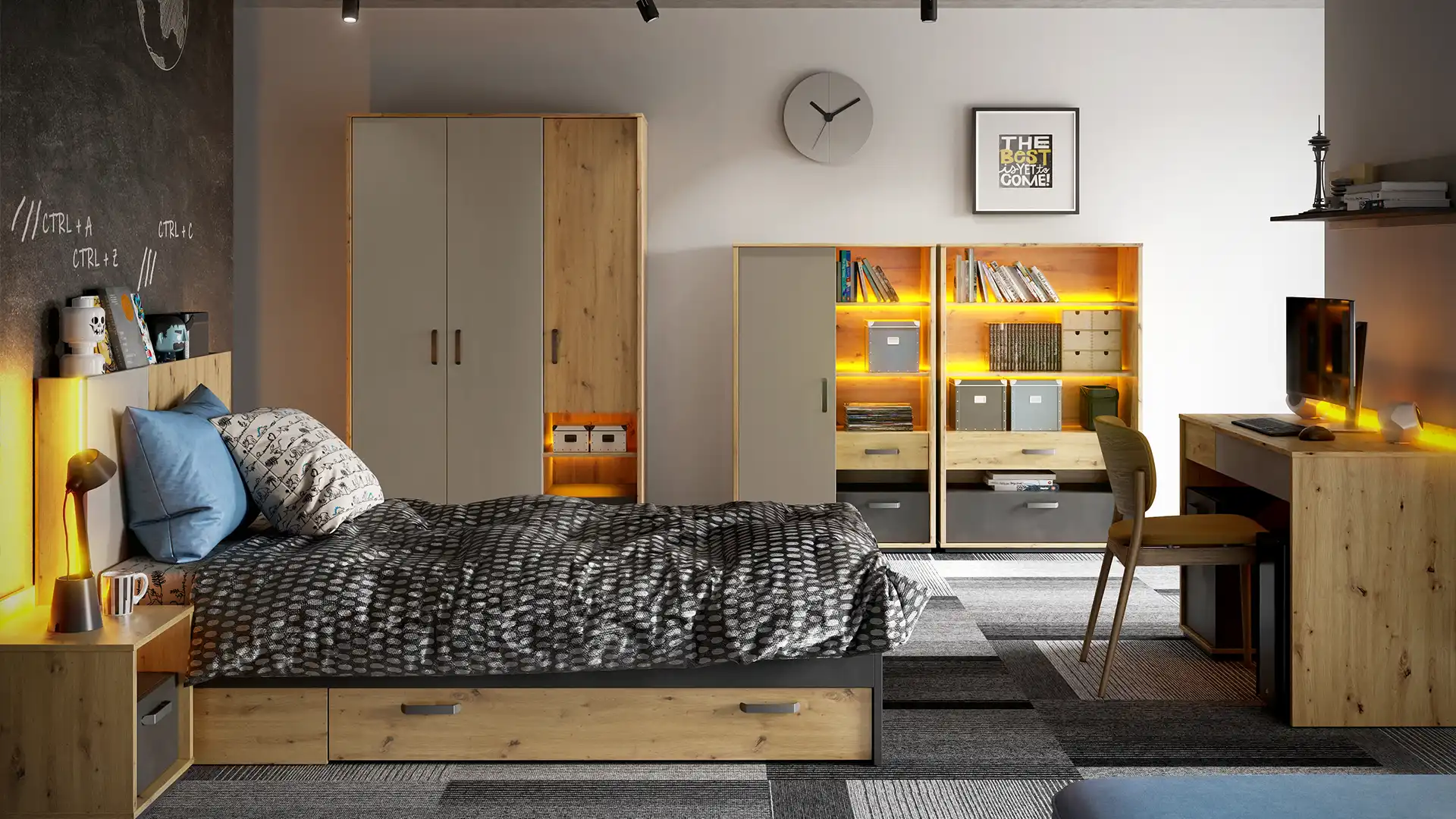
When decorating a child’s room, it’s a good idea to divide the space into three functional zones: a sleeping area, a study area, and a play area. Each of these is designed to support the child’s development and meet their basic needs.
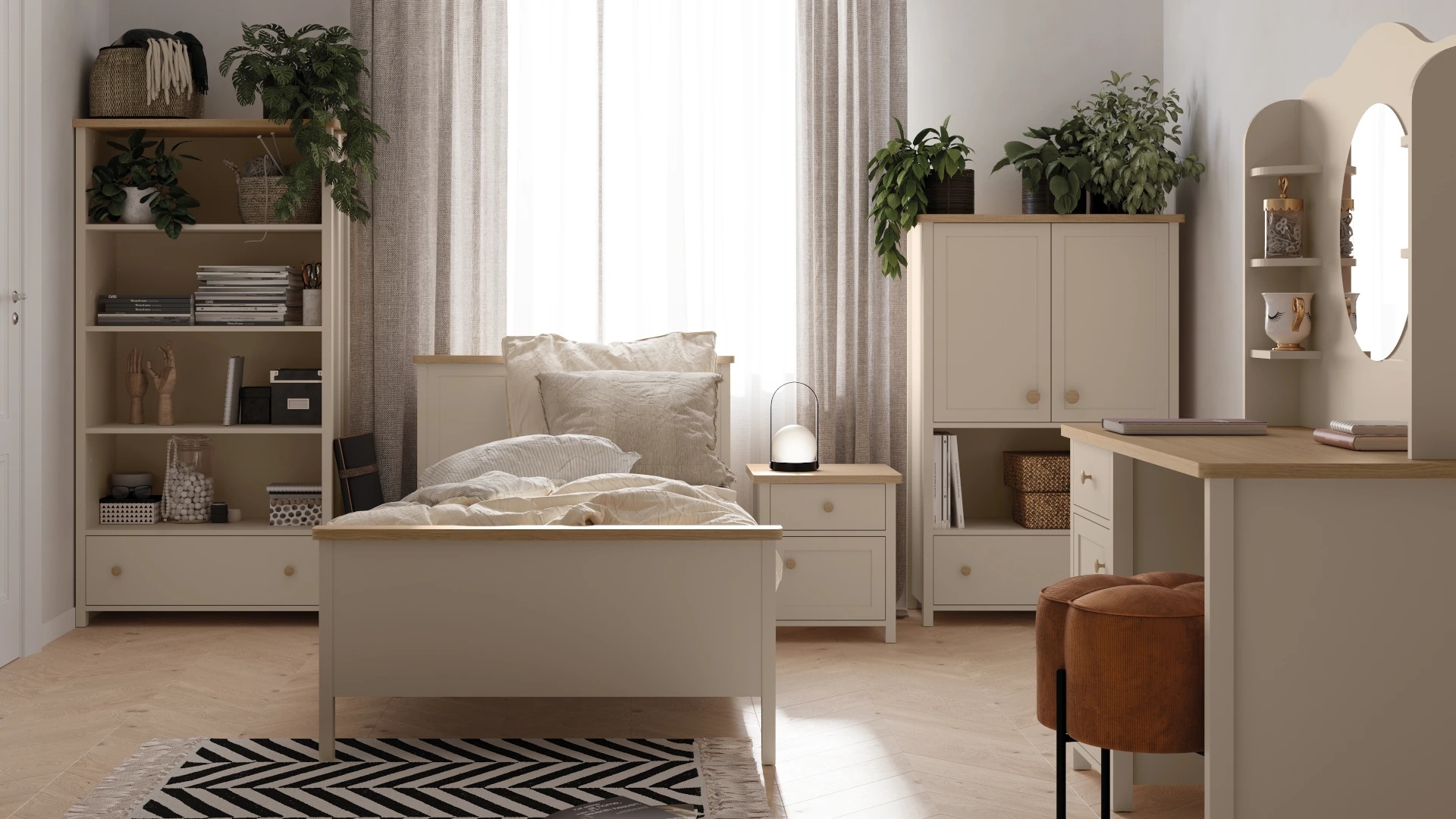
The sleeping area should exude a sense of calm, promoting relaxation after a long day. Choose a comfortable crib or other sleeping furniture that will ensure comfort. Soft pillows and blankets will further create a cozy atmosphere, and carefully selected, subdued lighting will help your child fall asleep easily.
The learning area plays a vital role in the intellectual development of a young explorer. An ergonomic desk that is 100–120 cm wide, a well-fitting chair, and proper lighting are key elements for comfort while studying. Additional accessories, such as:
- bookshelves,
- whiteboards,
- organizers,
- notebooks,
These accessories will certainly make it easier to organize the space.
The play area should be an open space that encourages creative activity. Multifunctional furniture, such as shelving units with toy storage bins, will help keep things tidy. Bright colors and inspiring decorations will spark a child’s imagination, while a variety of materials—such as chalkboard or magnetic paint —will enable creative play.
Dividing the room into functional zones contributes to better organization and fosters creativity. Each of these spaces should be tailored to the child’s interests and needs, turning the room into a harmonious place that invites activity.
Learning Zone: Which Desk and Chair Should You Choose?
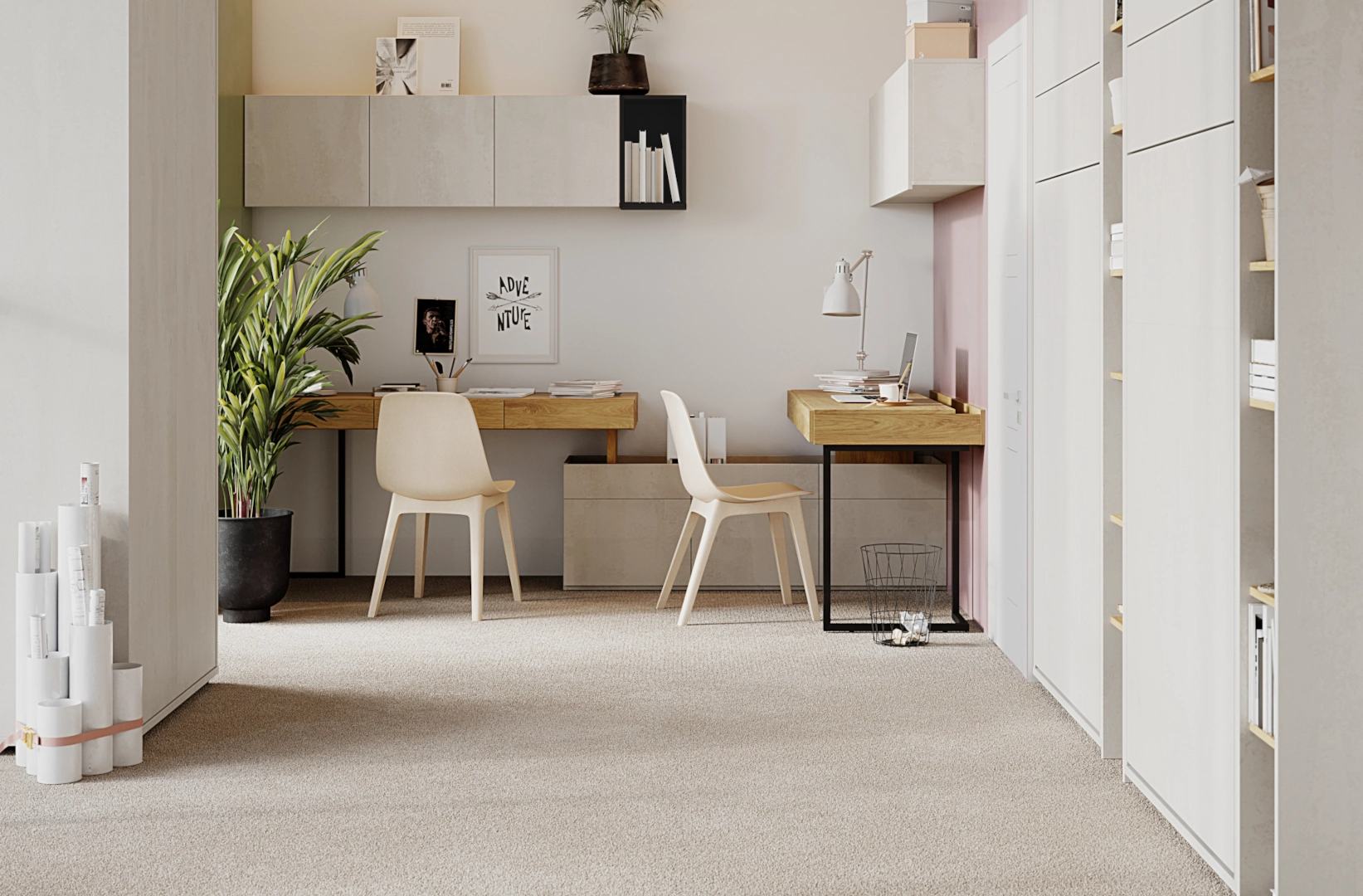
In a study area, the right desk and chair play a key role. An ergonomic desk that is 100 to 120 cm wide offers enough space for school supplies and ensures easy access to everything a child might need while studying. Its height should be adjusted to the child’s height to prevent back pain and ensure comfort during long hours of studying.
When choosing a chair, it’s best to opt for ergonomic models with height adjustment and solid back support. This allows the child to rest their feet comfortably on the floor, which has a positive effect on their posture. It’s also important not to forget about proper lighting— a desk lamp is an invaluable accessory that significantly improves comfort while working.
It’s also worth considering additional elements, such as:
- bookshelves,
- organizers,
- which will help you keep your study space organized.
Such accessories promote organization and minimize distractions, which in turn creates a more conducive learning environment and supports a young person’s development.
How do you create a play area?
This part of the room should be welcoming, safe, and stimulating to creativity. Separating it from the study area will help your child focus on their education while also creating a space for relaxation and play.
To make the play area functional, it’s a good idea to add a few key elements. First and foremost, a comfortable rug or mat will provide your child with a safe place to play on the floor. Children’s furniture, such as colorful poufs and low tables, encourages cooperation with peers and fosters creativity. A teepee or a small hut, resembling a dollhouse, can become exciting hideouts that spark little ones’ imaginations.
If possible, consider incorporating physical activity elements, such as monkey bars or climbing walls. These additions encourage movement while supporting a child’s motor development.
Organizing the space is crucial. Storing toys in attractive containers, baskets, or chests makes it easier to keep things tidy and also teaches children responsibility. Accessories such as bookshelves or colorful boxes help maintain the play area’s aesthetic appeal and functionality, making it a practical reflection of children’s creativity.
Why is it a good idea to let your child help decide how to decorate their room?
Allowing a child to have a say in decorating their room has many benefits. First and foremost, it positively impacts their well-being and personal development. When we involve a child in choosing colors, themes, and decorations, we make them feel important and valued. Children who participate in this process show greater interest in their space. The result? They’re more willing to spend time in their room and keep it tidy.
Planning the room’s design together allows you to better tailor the interior to your child’s individual preferences, which becomes crucial as they grow older. Keep in mind that aesthetic tastes change with age, so this creative process is an excellent opportunity to teach your child responsibility and decision-making skills.
Rooms where children can freely express themselves foster the development of creativity and artistic skills. Creating a space where a child can bring their ideas to life is an excellent way to support their development. It’s also important to invest in multifunctional and ergonomic furniture that makes it easier to organize the space.
With this approach, decorating a room on their own becomes a form of play for the child. It encourages them to be active and explore their own ideas about interior design. Decorating a room together isn’t just a practical activity—it’s also a great opportunity to spend quality time together, which in turn strengthens family bonds.
How can you keep your child’s room tidy?
To keep a child’s space tidy, it’s essential to implement an effective organization system. It’s worth considering a variety of storage solutions, such as:
- bookshelves,
- closets,
- colorful toy boxes.
These will make it easier to keep clutter under control. Children’s furniture with spacious drawers and soft-close mechanisms makes everyday use of the room simpler and cleanup less of a hassle.
It’s also worth investing in organizers that can be hung on doors or walls, ensuring quick access to the most essential items. Every designated space in the room—such as a study or play area—should be well-planned. The study area should be equipped with:
- an ergonomic desk,
- practical storage compartments for various educational materials.
It’s important not to forget to clean and air out the room regularly, as these are essential parts of maintaining good hygiene. It’s equally important to wash textiles such as:
- curtains,
- pillows,
- bedding.
These activities have a positive impact on the room’s appearance and comfort. As a result, the child learns to take care of their surroundings, which helps develop a sense of responsibility and organizational skills.
Similar posts
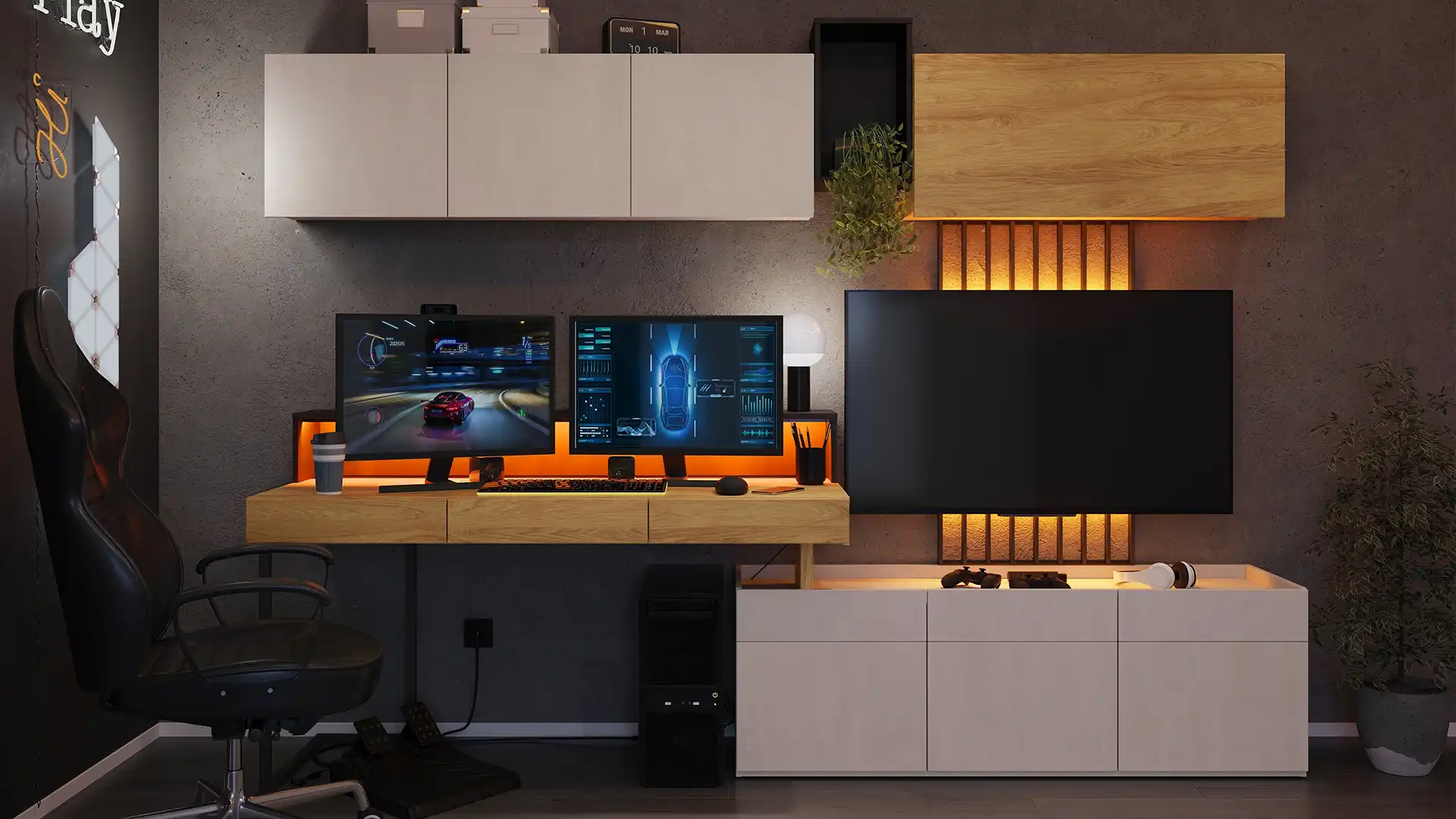
How to Decorate a Boy’s Room?
There comes a time when a preschooler’s room needs to be transformed into a student’s room. How can you design a room for a boy so that it’s functional, practical, and cozy?
Read more

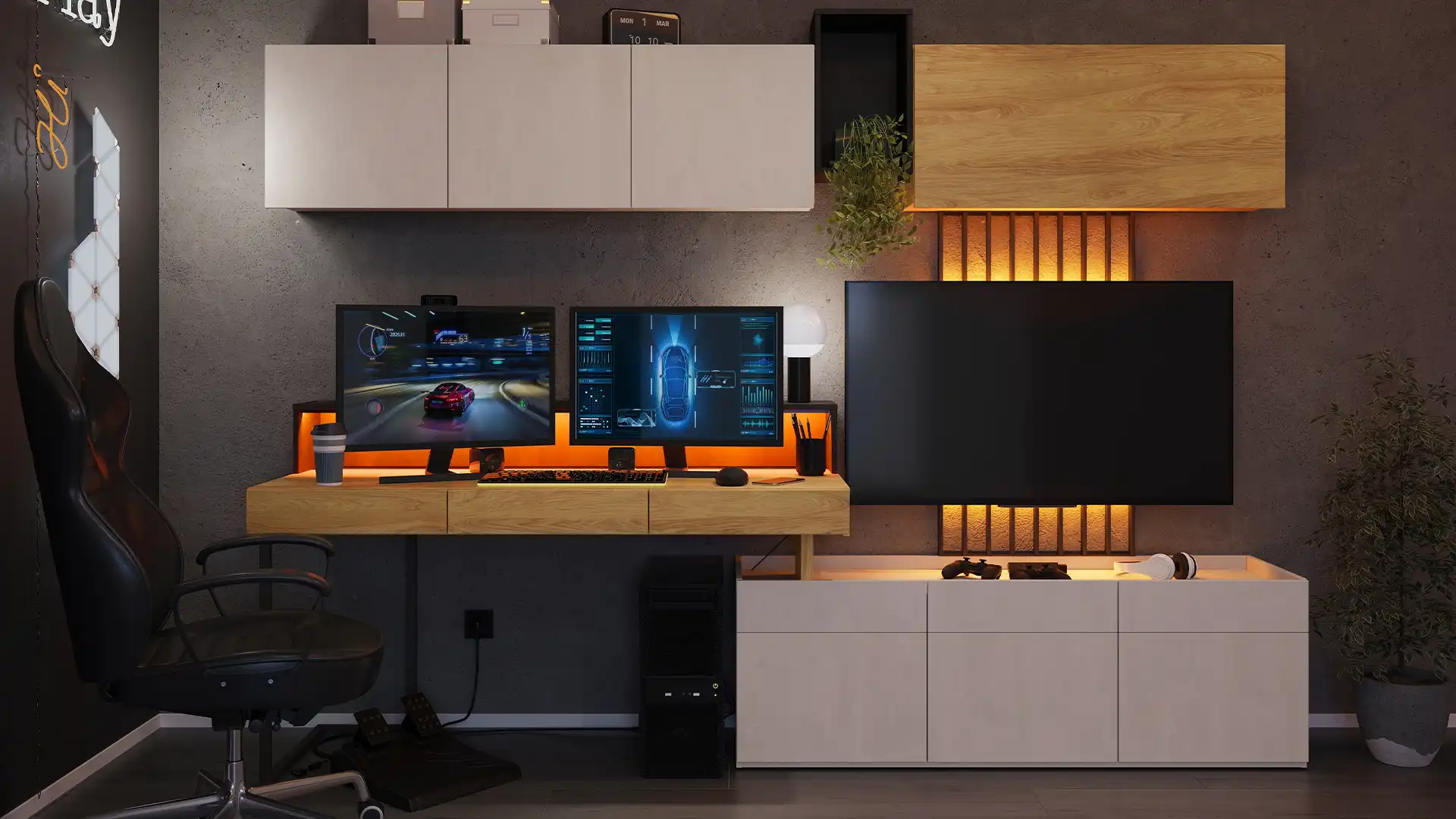
Furniture for a Teen’s Room—What Should You Consider When Choosing?
Are you looking for reliable furniture for a teen's room? We offer trendy and functional furniture for teens in the best styles!
Read more
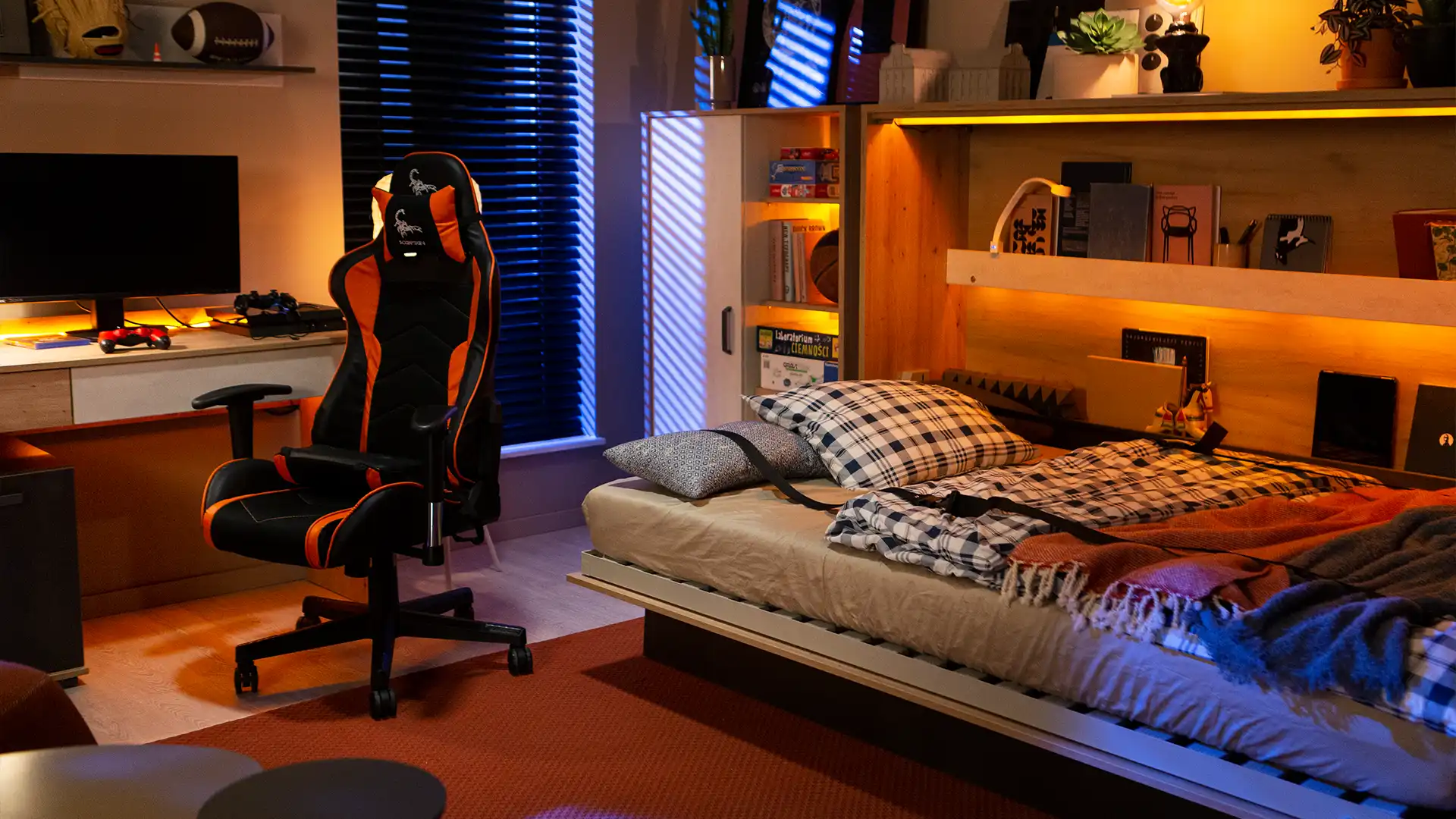
How do you set up a gaming room?
A comfortable chair and a desk are the most important pieces of furniture for a gaming room. What else should be included, and what accessories should you choose for a gamer’s room?
Read more
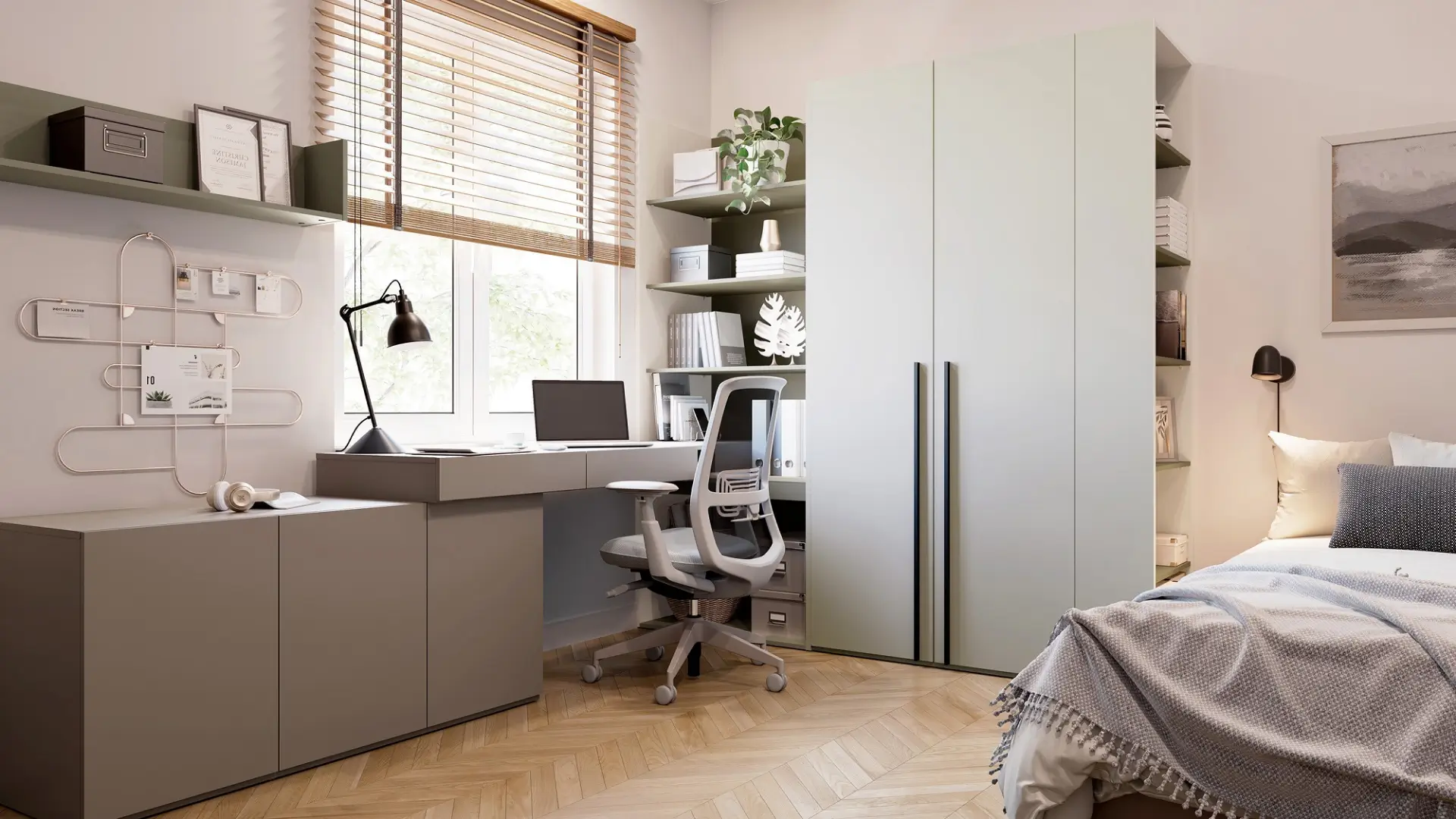
Do children need a closet?
Storing items in a closet helps keep the room tidy, which in turn enhances children’s comfort and concentration while they play and learn.
Read more
